For decades, the live events and entertainment scene in the UK has been stuck in a rut, relying on word-of-mouth, print advertising, and limited online promotion to attract audiences. But all of that is changing. The rise of digital technology and shifting consumer behaviors have created an unprecedented opportunity for innovation and disruption in this sector.
The Role of Technology in Revolutionizing Live Events
We’re living in an era where technology is transforming the way live events are planned, marketed, and experienced. Social media and email marketing are no longer enough; venues and organizers are now using mobile apps, event management software, and even augmented reality (AR) and virtual reality (VR) to give attendees a more immersive experience. Some venues are using data analytics to personalize content and improve audience engagement, while others are using AR and VR to transport attendees to new worlds.
Take mobile apps, for example. Many venues and organizers are now using apps to provide attendees with essential information about the event, such as schedules, maps, and artist biographies. Some apps even allow attendees to interact with each other, share photos and updates, and purchase merchandise or tickets. It’s a game-changer.
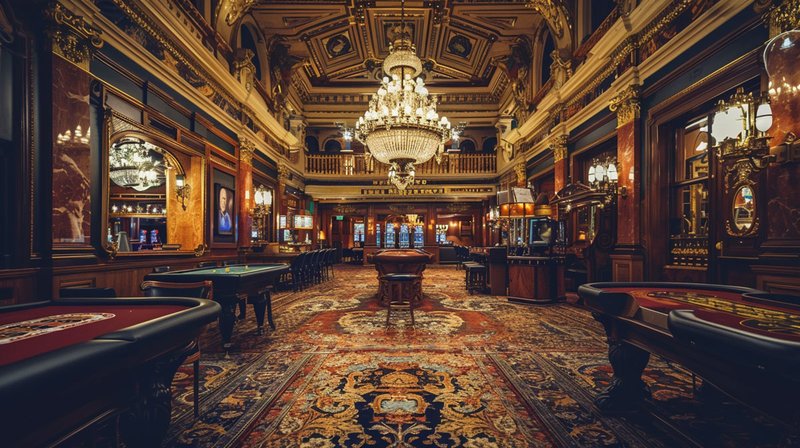
The Rise of Experiential Marketing
Experiential marketing is another significant trend in the live events and entertainment sector. This approach focuses on creating memorable and shareable experiences for attendees, often through interactive and immersive activities. Brands are now creating pop-up events, exhibitions, and installations that allow attendees to engage with their products or services in new and innovative ways. Others are using live events as a platform for social media activations, influencer marketing, and content creation.
As one marketing expert notes, «people don’t just want to watch live music or sports; they want to be part of the experience, to participate and engage with the event in a meaningful way.» By creating immersive and interactive experiences, brands can build deeper connections with their audiences and generate more effective and sustainable marketing outcomes.
The Link to Online Gaming and Entertainment
The shift towards experiential marketing and immersive experiences in the live events sector has interesting parallels with the rise of online gaming and entertainment. Online gaming platforms like Ephesus Morpeth are creating increasingly sophisticated and immersive experiences for players, using virtual and augmented reality to transport them to new and fantastical worlds. Similarly, live events and entertainment venues are now using cutting-edge technology to create more immersive and engaging experiences for attendees, from AR and VR installations to interactive light shows and projection mapping.
As the boundaries between online and offline experiences continue to blur, we can expect to see even more innovative and immersive experiences emerge in the live events and entertainment sector. By embracing new technologies and approaches, venues and organizers can create more engaging, memorable, and shareable experiences for attendees, while also generating more effective and sustainable marketing outcomes for brands.
